Slab Leak Detection & Repair
Find the failing supply pipe in or under the concrete floor, then decide how to fix it.
A bill that climbs for no clear reason, a stain that keeps growing or a meter that turns when nobody is home. Leak detection traces the water before anyone cuts into a wall or a floor. If water is spreading right now, call the 24/7 line and do not wait for a morning slot.
Describe what you see on the call. Same-day visits are available when a contractor has room.
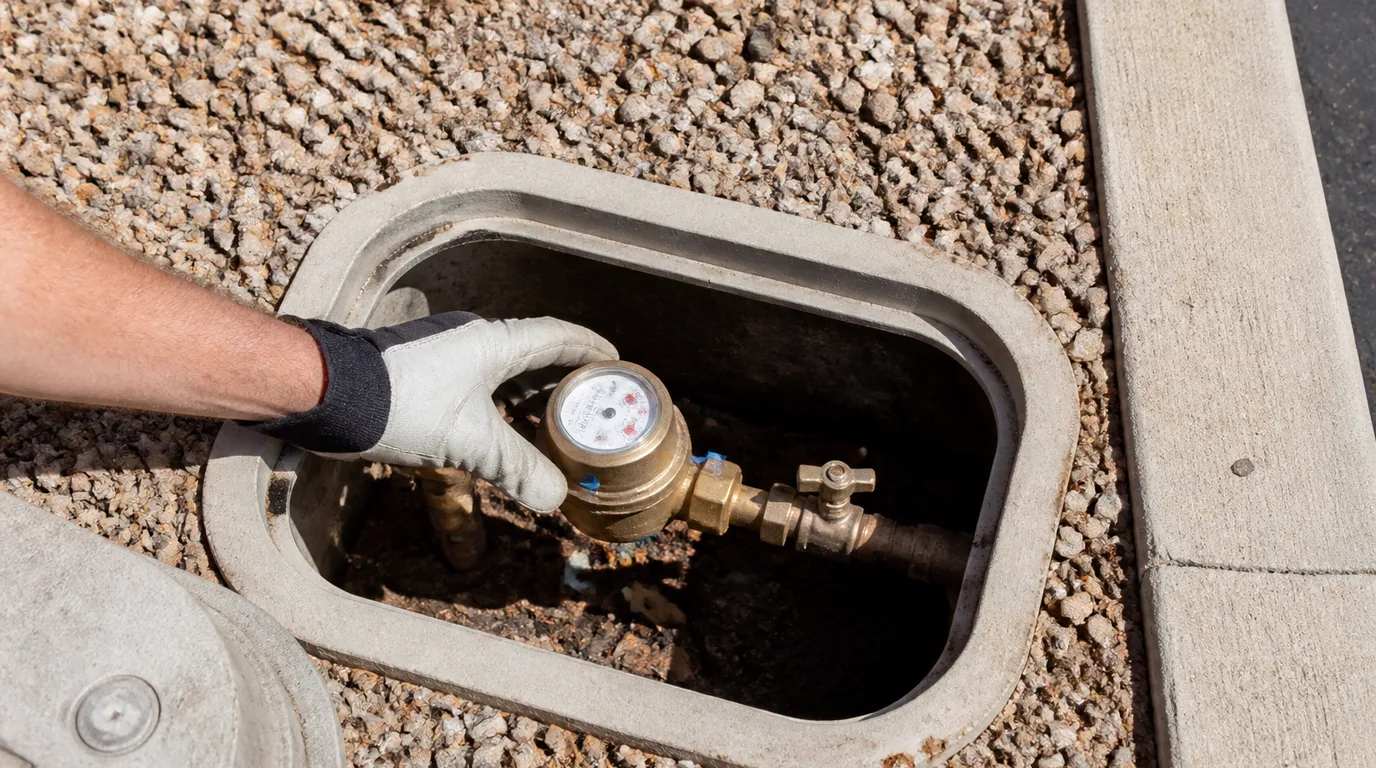
The cheapest test is free. Stop every tap, the ice maker, the washer and the sprinkler controller, then read the meter. Most carry a small triangle or dial that turns whenever water goes through.
If the dial moves, look at the toilets. A flapper that leaks wastes plenty of water in silence. Tint the tank with a little food dye, leave it for a quarter of an hour and see if the bowl changes color.
If the dial stays put, the cause lies elsewhere. A leak can come and go, or appear only when a fixture runs or when pressure shifts.
A trained technician narrows things step by step. First the main is closed and the pressure is watched. Then branch valves are shut one by one until a single section of pipe is identified as the one losing water.
Instruments come next. Listening devices hear pressurized water escaping, and a thermal camera shows temperature differences behind a surface. For a pipe under concrete, the technician may pressurize it and trace the sound along the floor.
The goal is a small, well-placed opening. A leak located within a few square feet leaves a patch to repair instead of an opened-up wall, and that is where much of the saving lies.
Homes across the Phoenix area are commonly built on concrete slabs, so a good share of the supply plumbing runs under the floor and not through an attic or crawlspace. That makes a slow leak easy to miss. Warm tile and a soft patch of floor are worth noticing.
The monsoon season, roughly June 15 to September 30, muddies the picture. Soggy ground after a storm does not always mean a leak, so check the meter before shovels come out.
The search is normally charged for the time and method it takes, while the repair gets its own quote. A few factors move the figure most.
Find out whether the search fee is credited against the repair when the same contractor does both. Policies vary, so get the answer in writing.
Supply lines inside walls, the connections behind a tub, the line to a refrigerator or washer, and pipe that runs beneath a slab are the usual suspects. Outdoors, irrigation valves and the buried line to the house make up most of the rest.
A drain only leaks while water flows through it, so a mark that shows after a shower or laundry points toward drainage. A stain that keeps growing through the day suggests a pressurized supply pipe.
Pools and spas can also account for a high bill. If the water level drops faster than evaporation explains, read pool leak detection and repair.
The plumber should tell you where the leak is, what caused it and what the repair involves. Some are quick, such as a failed shutoff valve. Others, like a pinhole in a line under the slab, give you more than one way to proceed.
Ask if the quote covers closing the opening. Drywall, tile and paint usually belong to another trade, so know that up front. When water has already soaked the building, drying is covered on the page about water damage restoration.
EPA WaterSense reports that average household leaks can waste more than 9,300 gallons of water a year, which is why a steady meter reading is worth acting on. Before anyone opens a wall, look the company up on the Arizona Registrar of Contractors site, roc.az.gov, and confirm the license is active.
Some leaks are hard to locate. A very slow leak makes little sound, two leaks can hide each other, and a pipe under concrete muffles what listening gear picks up. A single method can miss what a second method catches.
If someone has already looked and given up, tell the dispatcher what was tried. Ask which methods the assigned contractor uses, such as listening devices, thermal imaging, a camera or pressure testing, and whether the spot will be marked on the floor or ground.
Callers often ask whether the same company fixes what it finds. Some contractors do both, and some only locate the leak. Ask on the first call so you know whether the quote covers finding it, fixing it or both.
Close the main valve if water is spreading, and note the meter reading and the time. Take photos of stains or wet spots. Keep the area clear, put pets in another room, and move items away from the wet area.
For a house that is being sold, say so on the call. A buyer's inspection or a utility notice often sets the timeline, and the dispatcher can pass that on.
Find the failing supply pipe in or under the concrete floor, then decide how to fix it.
Buried supply pipe trouble from meter to house, handled with a repair or a fresh run.
Pull out the water, dry the structure and rebuild what a leak or storm soaked.
Watch the water meter with every fixture off. If it keeps moving, water is going somewhere. A sudden jump in the bill, a musty smell or a warm spot on the floor are other signs.
In many cases, yes. The plumber isolates the pipe, listens along its length and scans it with a thermal camera, then opens just the spot of the leak. A leak that comes and goes takes longer.
Consider it urgent when water is spreading or reaches outlets. Shut the main and phone. A tiny seep can wait until tomorrow, but damage builds with each passing hour.
Certain policies pay to locate a sudden leak, while many leave out repairs to worn pipe. Read yours and check with the insurer before work begins.
Yes, someone answers at all hours. Describe where water is appearing and what the meter does, and a nearby contractor is arranged. Close the main valve first if reachable, and ask about timing during the call.
It depends on the size of the home, how many places the leak could be and how hard the pipe is to reach. Ask the dispatcher for a clear quote before any work starts. Repair work is usually priced separately.
Ask the contractor how close the finding will be and whether the spot gets marked. A marked location keeps any opening small, and it gives you something concrete to compare against a repair quote.
Close the irrigation supply and watch the meter. If the dial stops, the problem is in the irrigation system, which this service list does not cover. If it keeps moving, the house or service line is the likelier source.
Say the property type on the call. Single-family homes, townhouses, small multifamily buildings and commercial spaces are all different jobs, and the dispatcher matches the call to a contractor who handles that kind of property.
Reach the main valve? Close it, then call and say what you see. The next step comes from the person on the line.
Service area centered on Peoria and nearby Maricopa County cities.